Choosing the right wallcover material
HOW MATERIAL INFLUENCES APPEARANCE, PERFORMANCE AND APPLICATION
Choosing a wallcovering is not only about the design. The material beneath it influences how the surface looks, how it feels within the interior and how it performs in everyday use.
From a quiet residential space to a busy hospitality environment, the right material helps connect visual expression with the practical demands of the project.
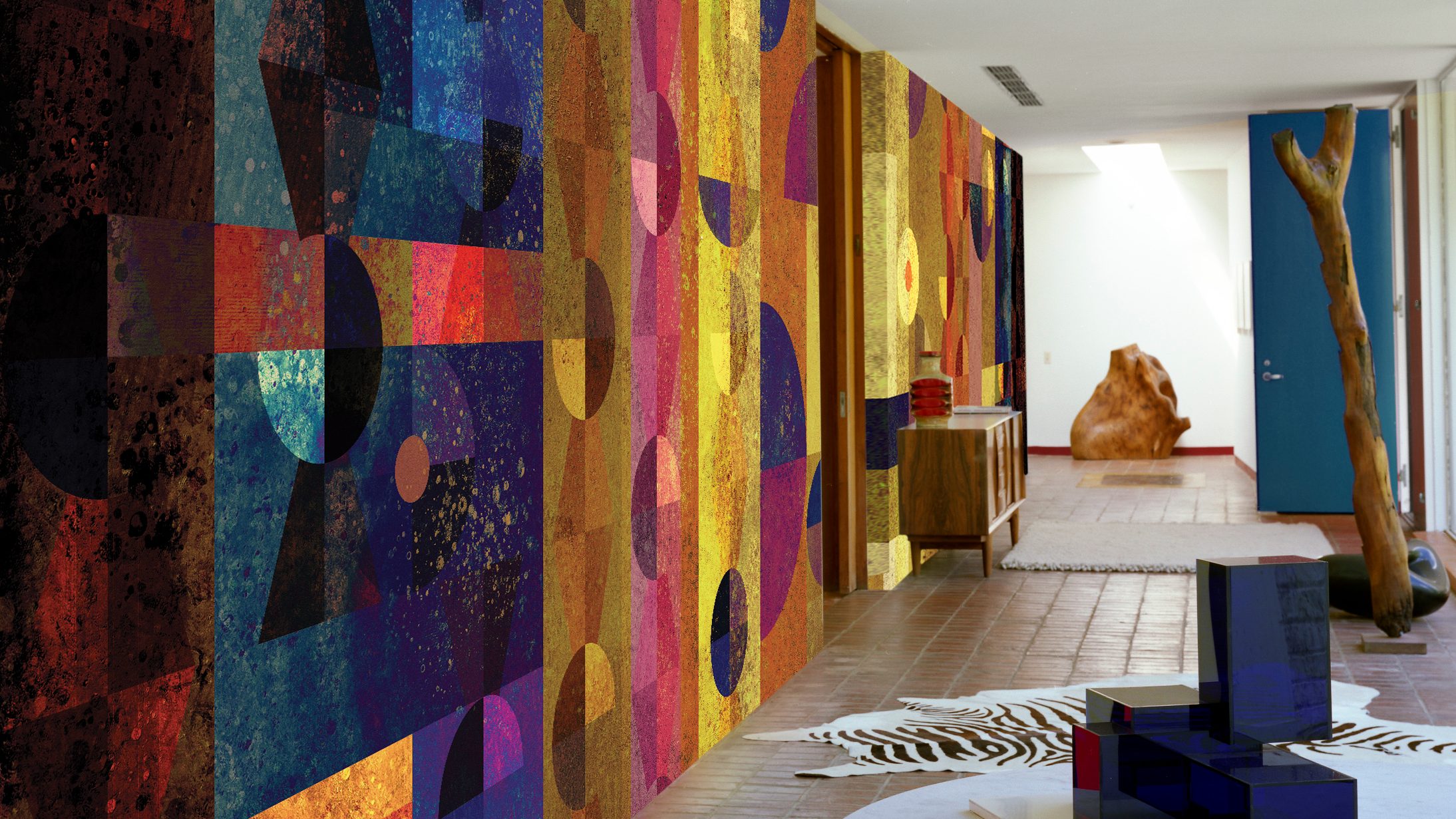
MATERIAL SHAPES THE EXPERIENCE
The same design can create a different impression depending on the surface on which it is produced. Texture, finish and the way light interacts with the wall all contribute to how colour, depth and detail are perceived.
Material therefore becomes part of the design decision. It can make a wall feel softer and more tactile, cleaner and more architectural, or more suitable for an interior where durability plays an important role.
VISUAL CHARACTER
Consider how the wall will be experienced within the room. Natural and tactile surfaces can add softness and depth, while smoother finishes can create a more precise and contemporary appearance.
LIGHT AND TEXTURE
Light changes the way a wallcovering is perceived throughout the day. Texture can become more visible in directional light, while a smoother surface may allow colour and composition to take a stronger role.
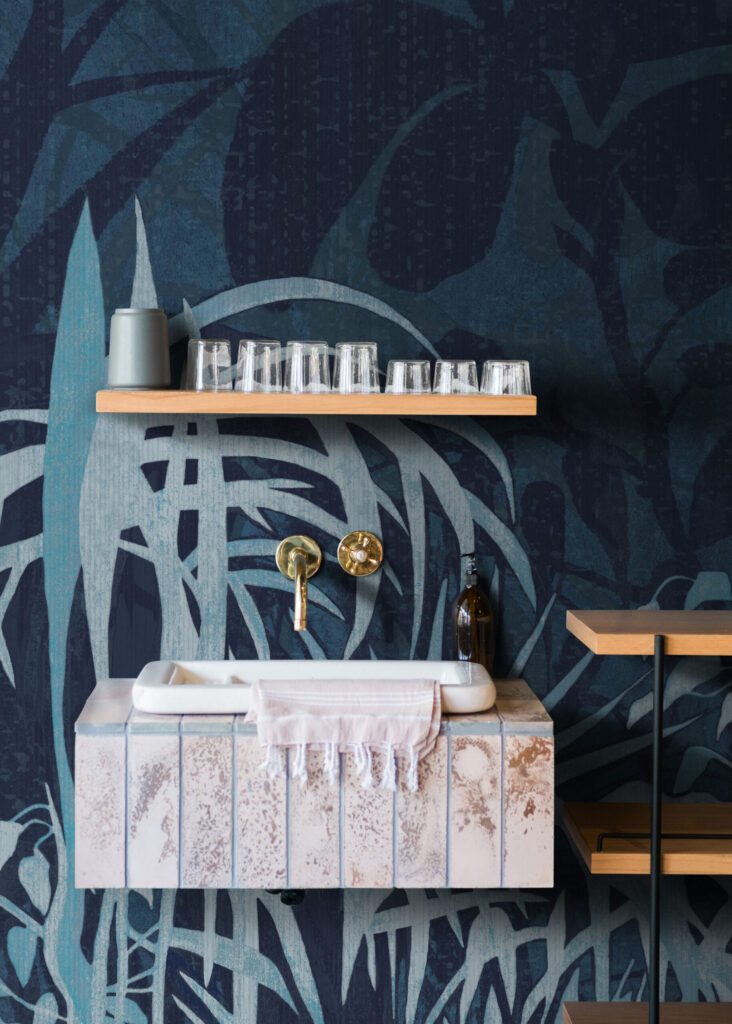
MATERIAL FOLLOWS THE SPACE
There is no single material that is right for every interior. The best choice begins with understanding how the space will be used.
RESIDENTIAL
In residential interiors, atmosphere and tactile quality often play an important role. Material can be selected to complement the character, light and level of use within the room.
HOSPITALITY & COMMERCIAL
Hotels, restaurants, offices and other frequently used spaces can place different demands on a wallcovering. Durability, cleanability and fire performance may become part of the specification alongside appearance.
PUBLIC & SPECIALISED SPACES
Public spaces and specialised projects may require specific technical characteristics. Considering these requirements early in the design process helps ensure that material and creative concept develop together.
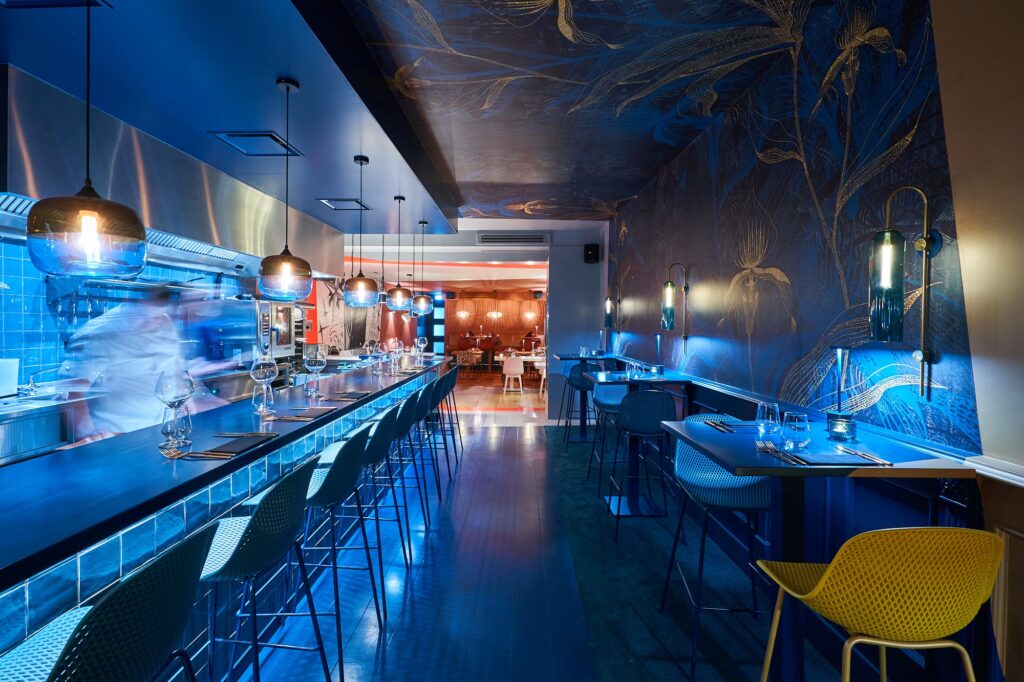
FROM DESIGN TO MATERIAL
A MATERIAL FOR THE PROJECT
At daisy james, material selection is considered in relation to both the design and the intended application.
Our wallcovers are available in different material options, including seamless wallcovering and PVC-free solutions. Depending on the project, factors such as dimensions, durability, washability, fire classification and installation requirements can all influence the final specification.
For architects and interior designers, we can help determine which material best supports the visual concept and practical requirements of the space.
THE RIGHT SURFACE FOR THE RIGHT SPACE
Material works best when it is considered as part of the complete interior rather than as a decision made at the end of the process.
Architecture, use, light, scale and visual character all contribute to the choice. When these elements are considered together, the wallcovering becomes more than a surface it becomes part of the interior itself.
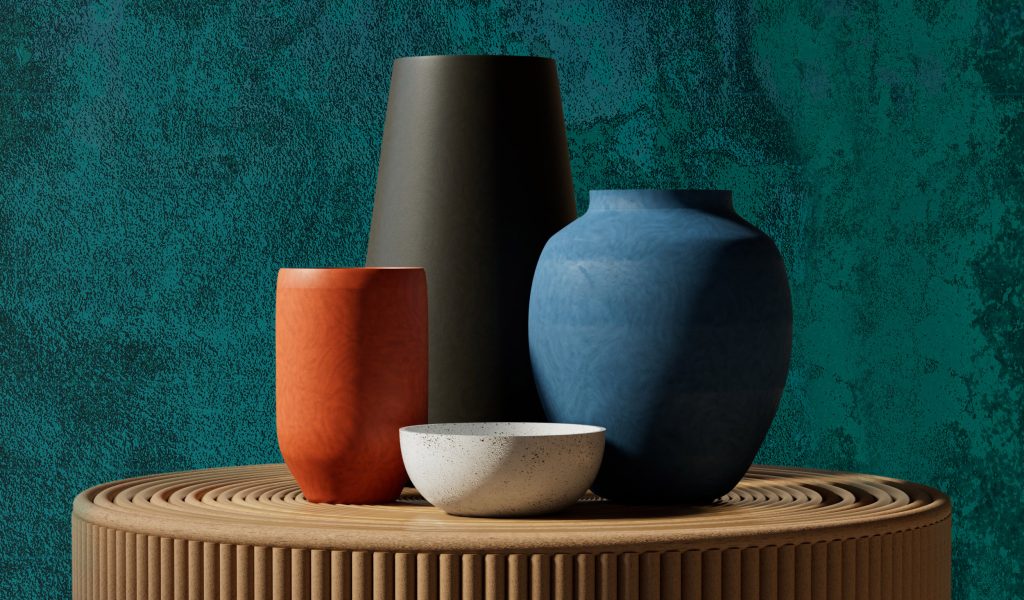
CONTINUE EXPLORING THE SOURCE
Explore more insights on scale, material, application and the role of wallcovering within an interior.